What Helps Cookies Maintain Quality Longer?
Wiki Article
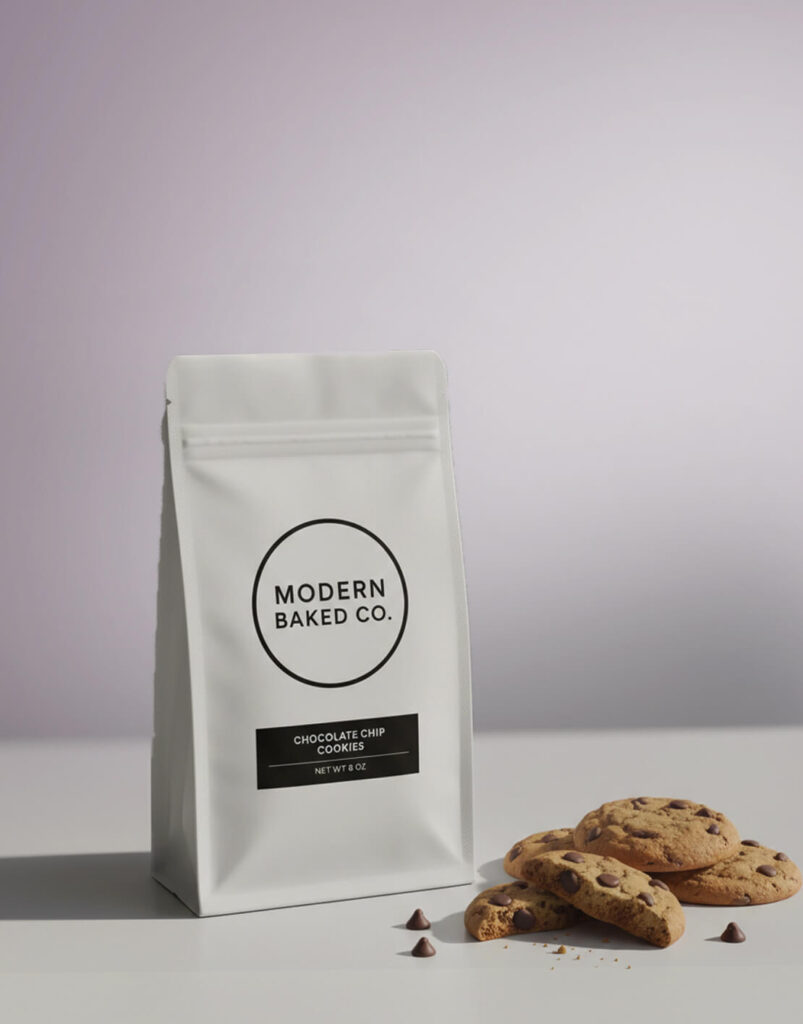 Cookies stay fresh longer when small details are managed carefully from start to end. The main idea behind What Helps Cookies Maintain Quality Longer? is control over air, moisture, and handling. When cookies are exposed to the open air, they lose softness and flavor faster. Even the best recipe cannot survive poor storage conditions. A simple story shows this well: a small bakery once noticed their cookies becoming hard within two days, but after changing how they were handled after baking, the quality improved. Freshness is not only about baking; it is about what happens after baking.
Why Does Air Control Matter in Cookie Freshness?
Air exposure significantly influences cookie condition after baking completion because oxygen interaction gradually modifies texture structure and moisture level balance within food composition. Soft cookie varieties lose internal moisture more rapidly when continuous air contact remains present, while crisp cookie varieties lose crunch strength under the same exposure conditions. Reduction in exposure duration allows cookies to retain structural form for an extended storage period. Bakery worker observation confirms texture change during working hours when cookies remain open without protection.
How Does Moisture Balance Affect Cookie Quality?
Moisture balance inside cookies determines texture outcome during storage duration because internal water content interacts continuously with surrounding environmental conditions. High moisture levels create sticky surface formation, while low moisture levels produce hardness within the structure that reduces the eating quality experience. After baking completion, the moisture distribution continues adjusting based on the surrounding humidity and temperature conditions. Dry surrounding air removes internal moisture gradually, while humid surrounding air introduces additional moisture absorption within the food structure. The home environment example demonstrates texture change during overnight storage on the kitchen surface.
What Role Does Storage Environment Play in Freshness?
Storage environment directly influences cookie quality retention because temperature stability, surrounding air movement, and light exposure collectively affect structural stability over time. Warm surrounding conditions increase softness level beyond the intended texture, while cold surrounding conditions increase hardness within the cookie structure. Continuous exposure to light sources gradually alters flavor composition during the storage period. Bakery observation shows quality variation when cookies remain placed near the window exposure compared with a shaded storage location. Controlled environment conditions support longer retention of original texture characteristics.
Why Do Wrapping Methods Change Shelf Life?
The wrapping approach directly influences cookie preservation because air entry control and moisture regulation depend strongly on covering method selection during the storage process. Loose covering structure allows continuous air movement inside the storage area, while tightly sealed uncontrolled covering absorbs moisture accumulation that alters texture balance. Balanced wrapping approach supports proper airflow limitation and moisture regulation simultaneously. Bakery experience demonstrates improved freshness duration after wrapping method modification during storage stage.
How Can Material Choice Support Longer Freshness?
Material selection used for cookie coverage influences air penetration level and moisture exchange rate during storage period because different materials provide different levels of environmental protection. Some materials allow partial airflow movement, while other materials reduce direct environmental contact significantly. Selection of appropriate material influences cookie condition preservation across storage duration. Baker experimentation with different material types demonstrates noticeable texture variation after two days of storage completion. Material choice functions strictly as a protective layer without altering recipe structure or baking outcome. Many food businesses rely on Wax Papers Hub guidance for selecting material approaches that support storage consistency.
What Makes Wax-Based Wrapping Helpful for Cookies?
Wax-based covering provides a protective barrier between cookies and the surrounding air environment because surface coating limits direct exposure and supports moisture retention balance during storage duration. Reduced air contact allows cookie structure to remain closer to the original texture state across extended time periods. Food production units frequently apply wax-based methods for storage stability improvement.
Café experience shows noticeable feedback change after switching the covering approach during the storage stage. Wax-based covering supports preservation of soft cookie varieties that lose moisture rapidly under normal air exposure conditions. A helpful option in this category is wax bags for cookies, which allow cookies to remain closer to their original state for longer hours. This method is especially useful for soft cookies that lose moisture quickly.
How Do Custom Options Help Small Food Businesses?
Custom approaches support food business operations through improved handling organization and identity management during storage and distribution stages because structured systems reduce confusion and maintain product consistency. Bakery experience demonstrates customer response variation after modification of the handling system implementation. Unique approaches support storage flow organization and delivery consistency improvement. One useful approach is custom bags, which help in creating a unique identity while supporting practical use.
Why Is Proper Handling Important Before Sealing Cookies?
Handling process before storage sealing directly influences final cookie condition because temperature state and physical pressure during handling determine structural integrity outcome. Wrapping warm cookies traps internal moisture and creates a texture change during the cooling continuation stage. Rough handling creates structural damage that reduces product quality during the storage period. Cooling the completion stage before storage supports structural stability retention. Bakery experience shows texture improvement after allowing full cooling duration before storage transition. Proper handling supports the storage preparation process by protecting food structure before the sealing stage begins.
How Do Temperature Changes Impact Cookie Quality?
Temperature variation significantly affects cookie structure because warm environmental conditions increase softness beyond the intended balance, while cold environmental conditions increase hardness within the structure. Repeated transition between temperature zones creates structural inconsistency that reduces overall quality stability. The kitchen environment example demonstrates texture change when cookies move between different temperature areas during the storage process. Stable temperature conditions support structural consistency retention across storage duration. Heat source proximity creates quality reduction over time due to continuous thermal exposure.
What Simple Habits Help Everyday Storage at Home?
Home storage practices influence cookie quality because post-baking care decisions determine texture retention during storage duration. Cooling completion before storage transition supports moisture balance stability. Avoiding light exposure protects flavor structure from gradual change. Dry storage location supports consistent texture retention over time. Family experience demonstrates a longer freshness period during holiday storage when proper handling practices receive attention. Storage practices require awareness rather than complex tools or systems. Consistent care during the post-baking stage supports food quality preservation across household usage.
How Can Brands Improve Customer Experience with Better Wrapping?
Food business experience improves customer satisfaction when storage and handling processes maintain product condition during delivery stages, because stable texture and flavor create a positive perception among consumers. Delivery quality depends strongly on handling consistency throughout storage and transportation phases. Bakery experience shows improved customer response after an adjustment in the storage handling system implementation. Many food businesses follow the Wax Papers Hub guidance for storage and handling improvement methods that support product stability during distribution stages. Improved handling approach supports customer trust development through consistent product condition delivery.
 Report this wiki page